
Next Generation Feedstock for
Bioenergy & Biofuel Production
Innovative Alternative Products for a Sustainable & Secure Future
Ocean Bioremediation → Renewable Products
Cleaning the ocean. Bio-alternatives on Land
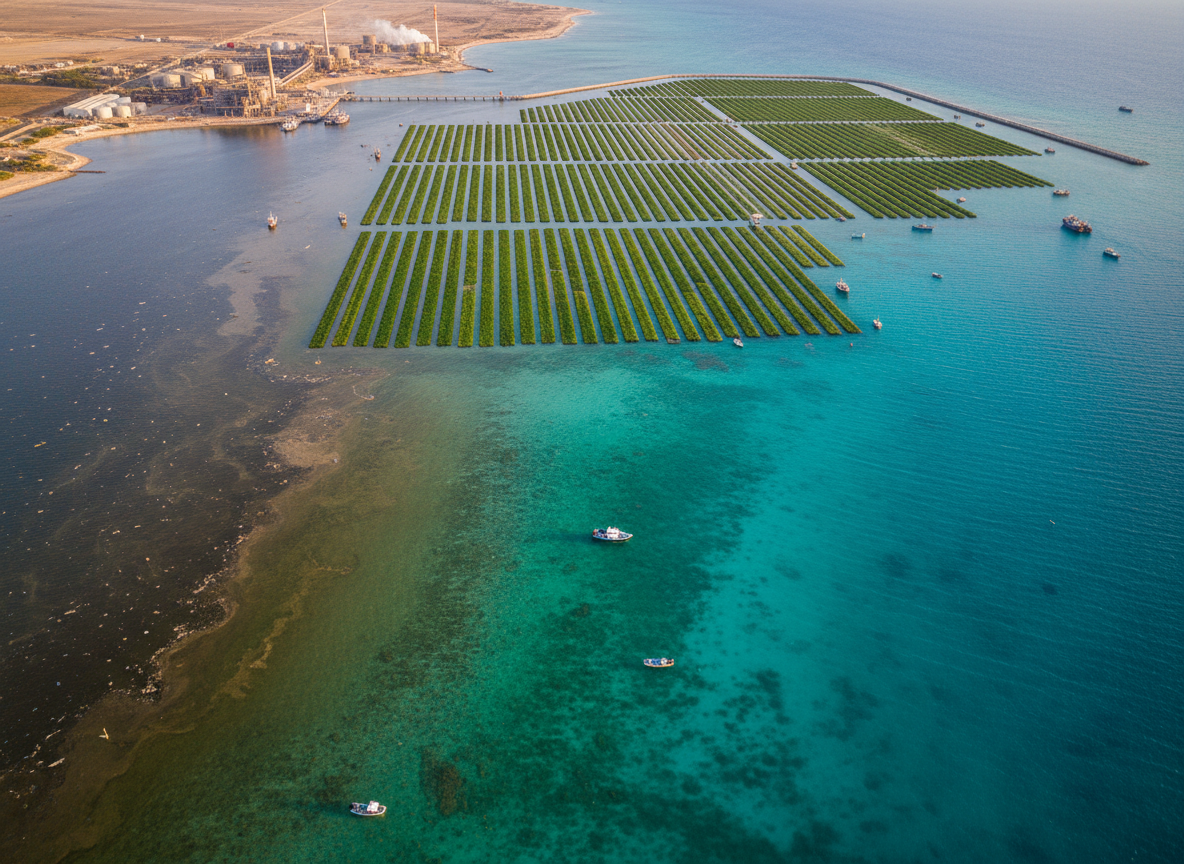
Seaweed absorbs agricultural run-off and wastewater pollution from our oceans. We harvest it, pelletise it, and convert it into renewable energy, drop-in fuel, and biofertiliser through anaerobic digestion — bringing ocean waste back to land as valuable products.
Grown, Not Extracted | Seaweed OpCo + Anaerobic Energy Co platform | Seaweed pellets → AD → Products
Land
3
Ocean
Processing & distribution
Outputs: energy, fuel, fertiliser
Over 500 Oceann Dead Zones Worldwide
The problem we solve
The ocean is drowning in our waste. We turn that waste into value.
Agricultural run-off and wastewater dumping flood our seas with excess nutrients, creating dead zones where marine life cannot survive. There are over 500 recorded dead zones Worldwide. Seaweed is nature's bioremediator — it absorbs these pollutants as it grows. We cultivate seaweed at scale in these damaged waters, harvest it, pelletise it, and process it through anaerobic digestion to produce renewable energy, drop-in fuel, and biofertiliser. We bring ocean waste back to land as products that replace fossil-based ones.
Step 1
Seaweed absorbs pollution
Step 2
Pelletised for AD feedstock
Step 3
Energy, fuel & fertiliser
How it works
From ocean waste to renewable products.
Our process starts in polluted waters and ends with three valuable products. Seaweed bioremediates the ocean, gets pelletised into stable feedstock, and is converted through anaerobic digestion into energy, fuel, and fertiliser.
Bioremediation at source
Seaweed naturally absorbs excess nitrogen, phosphorus, and heavy metals from agricultural run-off and wastewater. By cultivating at scal, we clean the ocean while growing our feedstock.
World's largest ocean dead zone
Natural nutrient absorption
Year-round cultivation in Oman
Pelletisation & stabilisation
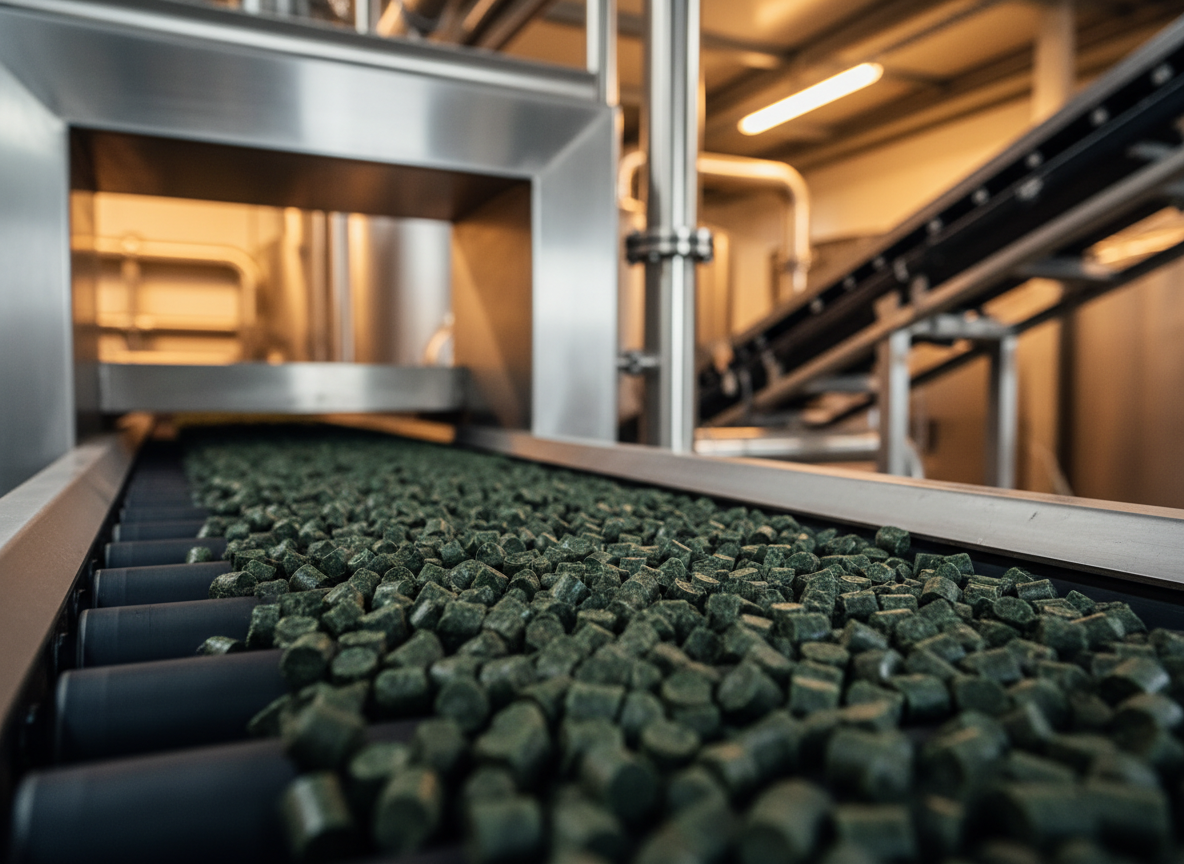
Harvested seaweed is dried, blended with complementary inputs, and compressed into standardised pellets. This stabilises the biomass, optimises digestion performance, and makes it shippable — turning a marine crop into a reliable industrial feedstock.
>70% Seaweed grown in dead zone
Standardised pellet quality
Optimised for anaerobic digestion
Anaerobic digestion → 3 outputs
Pellets are processed through advanced anaerobic digestion at our AD hubs, producing renewable natural gas (biomethane), drop-in liquid fuels via upgrading, and marine-mineral biofertiliser — all from one circular process.
Renewable energy (biomethane)
Drop-in fuel (eFuels)
Biofertiliser (Zenthiliser™)
Contact Us
Interested in working together? Fill out some info and we will be in touch shortly. We can’t wait to hear from you!